"Все сущее стремится к Благу"
Этот тезис — о том, что все сущее стремится к Благу — лежал в основе древних школ мудрости, позже приведших к формированию Оккультной Философии. Это высшее Благо мудрецы отождествляли с Богом, и именно через привлекательность Блага для живых существ они понимали возникновение порядка в мироздании.
Среди наиболее ранних философов одним из первых (чьи слова дошли до нас) об этом говорит Платон. В диалоге «Тимей» встречаются такие слова:
«Рассмотрим же, по какой причине устроил возникновение и эту Вселенную тот, кто их устроил. Он был благ, а тот, кто благ, никогда и ни в каком деле не испытывает зависти. Будучи чужд зависти, он пожелал, чтобы все вещи стали как можно более подобны ему самому. Усмотреть в этом вслед за разумными мужами подлинное и наиглавнейшее начало рождения и космоса было бы, пожалуй, вернее всего. Итак, пожелавши, чтобы все было хорошо и чтобы ничто по возможности не было дурно, Бог позаботился обо всех видимых вещах, которые пребывали не в покое, но в нестройном и беспорядочном движении; он привел их из беспорядка в порядок, полагая, что второе, безусловно, лучше первого. Невозможно ныне и было невозможно издревле, чтобы тот, кто есть высшее благо, произвел нечто, что не было бы прекраснейшим; между тем размышление явило ему, что из всех вещей, по природе своей видимых, ни одно творение, лишенное ума, не может быть прекраснее такого, которое наделено умом, если сравнивать то и другое как целое; а ум отдельно от души ни в ком обитать не может. Руководясь этим рассуждением, он устроил ум в душе, а душу в теле и таким образом построил Вселенную, имея в виду создать творение прекраснейшее и по природе своей наилучшее».
Платон отождествляет Благо с понятием «Единое», которое по своей сути не может быть чем-либо плохим, так как все зло возникает из-за конфликта и разделения. Другой его диалог «Парменид», один из наиболее абстрактных и сложных в его философской системе, почти целиком посвящен пониманию того, что такое Единое в его соотношении с множеством.
Философия Блага, представленная Платоном, неизбежно предполагает наличие того, кто будет это благо переживать. Никем не оцененное и не прочувствованное Благо вовсе благом и не является. Можно с уверенностью сказать, что Благо есть то, к чему стремятся, и что сам стремящийся раскрывает Благо через то, что оно отвечает его стремлениям. По-видимому, Бог как высшее Благо производит порядок из хаоса (о чем говорит приведенная выше цитата) через то, что вызывает желания у живых существ. И поскольку все они стремятся к нему, он остается единым центром реальности, связывающим все различные и непохожие ее части.
С этим же созвучна вторая важная мысль из приведенной цитаты — уподобление Богу. Тимей в диалоге Платона связывает это с отсутствием у Бога зависти. Действительно, зависть возникает из чувства недостатка и лишенности в чем-либо, которое обостряется у того, кто видит благо, которого лишен сам, в наличии у другого. Поскольку Бог есть абсолютное Благо, он ничего не лишен, и во всей реальности нет никого, кто имел бы больше. Следовательно, зависть совершенно отсутствует в Боге.
Очевидно, именно зависть рассматривается Платоном (и участниками его диалогов) как главная причина недоброжелательности. Понимать это следует наиболее широко: даже если в данный момент один человек не завидует другому, так как у другого ничего нет, он все равно может желать ему зла, опасаясь, что этот другой позарится на его долю, или что в будущем другой станет сильнее его. Недоброжелательность как и зависть — сопутствующий атрибут ограниченности блага и возникающей в таких условиях борьбы за ресурс. Так как Бог никогда не утратит свое Благо, он неизбежно желает добра всем существам, не опасаясь, что они что-либо «отнимут» у него или как-либо «обгонят» его по степени совершенства.
Очевидно также, что когда высшим Благом являешься ты сам, то желать блага другим — значит желать, чтобы они уподобились тебе. Это, пожалуй, самая простая и в то же время самая глубокая мысль в процитированном фрагменте. Будучи Благом, Бог желает блага другим, а желая им блага, он желает, чтобы они стали как он.
Эта же идея об уподоблении Богу звучит и в других книгах Платона, переходя из области абстракций и чистой теории в область практической жизни — через понятие справедливость. В диалоге «Теэтет» Сократ отвечает своему собеседнику, говоря о зле и добродетели:
«Зло неистребимо, Феодор, ибо непременно всегда должно быть что-то противоположное добру. Среди богов зло не укоренилось, а смертную природу и этот мир посещает оно по необходимости. Потому-то и следует пытаться как можно скорее убежать отсюда туда. Такое бегство – это посильное уподобление Богу, а уподобиться Богу – значит стать разумно справедливым и разумно благочестивым. Однако, добрейший мой, не так-то легко убедить большинство, что вовсе не по тем причинам, по каким оно считает нужным избегать подлости и стремиться к добродетели, следует об одном радеть, а о другом – нет, чтобы казаться не дурным, а добрым человеком. Это, как говорится, бабушкины сказки. Истина же гласит так: Бог никоим образом не бывает несправедлив, напротив, он как нельзя более справедлив, и ни у кого из нас нет иного способа уподобиться ему, нежели стать как можно более справедливым».
Впрочем, если Бог есть высшее Благо, и он пожелал, чтобы «все вещи стали как можно более подобны ему», кажется, что ни к чему иному ничто живое стремиться просто неспособно. Почему же зло «посещает этот мир по необходимости», если все существа стремятся лишь к Благу? Или же следует сказать, что Бог, пожелавший, чтобы все уподоблялись ему, по какой-то причине не смог исполнить свое желание, и в результате его творения устремились к чему-то иному?
Единство и разделение. Конфликт желаний
Ответы кроются в том, как единство оборачивается разделением из-за конфликта стремлений. Как уже сказано, тема единства и множества занимала важное место в философии Платона. Она же стала едва ли не центральной в школе платоников позднего периода (неоплатоников). Фактически за рассуждениями на эту тему, даже когда они выглядят предельно абстрактными, просвечивает неизбывный вопрос: если Бог благ, и все живое стремится к благу, почему в мире так много зла?
Бог является высшим Благом в силу своего единства. Это означает, что в нем нет противоречий и конфликтов. Все его атрибуты поддерживают и обуславливают друг друга. В относительном же мире, где все существа ограничены, возникают конфликты, когда достижение одного вида блага кажется противоречащим и несовместимым с другим. Так, к примеру, сила и любовь могут оказаться в конфликте, когда ради обретения и доказательства силы приходится быть жестоким, а любовь расценивается как слабость. Свобода и единство могут вступить в конфликт, если ради согласия с другими приходится жертвовать индивидуальной свободой. Знание и безопасность конфликтуют, когда новое знание становится опасным и создает риск для своего обладателя. Эти и другие конфликты различных ценностей мы можем наблюдать в человеческом опыте постоянно, они далеко не исчерпываются приведенными примерами. Что же касается Бога, то он, будучи абсолютным и безграничным, может быть сильным и любящим, единым и свободным, всезнающим и неуязвимым и т. д. Его любовь не становится слабостью, но является проявлением его силы; его свобода не разрушает его единство, а утверждает и обеспечивает его.
За любым злом, которое мы наблюдаем в реальном мире, скрывается конфликт некоторых ценностей, каждая из которых имеет свое соответствие в Боге как высшем и абсолютном Благе. Получается, что все стремятся к отдельным видам Блага, и никто не желает зла как такового — зло становится следствием неразрешенных конфликтов.
Именно анализ этих конфликтов и желание лучше понять их, по-видимому, и привели последующих мудрецов и философов к тому, чтобы выделять различные атрибуты Бога (Блага), а затем создавать системы и структуры из их соотношений.
Герметизм и Неоплатонизм
Диалоги Платона всегда привлекали читателей своей динамичностью, живостью, легким стилем изложения, присутствием эмоционального компонента, а иногда даже элементов драматургии. При этом Платон далеко не всегда последователен. Вероятно, понимая, что философия — это постоянный поиск и вечный диалог, в котором ни одно утверждение не становится окончательным результатом, он и пожелал вложить свои мысли в уста героев своих книг. Даже Сократ как постоянный участник этих диалогов не всегда высказывается в одинаковом ключе и местами противоречит сам себе. Дальнейшая традиция упорядочила многие из этих идей, крепче связав их в учениях Герметизма и Неоплатонизма.
Герметический Корпус — сборник трактатов, в основном, также написанных в форме диалогов. Их происхождение приписывается легендарному Гермесу Трисмегисту, чего, впрочем, современная наука подтвердить не может. Они стали известны и начали распространяться уже в поздней античности (II – III века н. э.), и во многом созвучны с идеями платоновской школы. Если у них существовал более древний источник (будь это сам Гермес или кто-либо еще), очевидно, в поиске мудрости он открыл систему, схожую с тем, чему учил Сократ в диалогах Платона. Следующий отрывок отчетливо демонстрирует отождествление Бога и Блага:
«Благо неотделимо от Бога, так как оно есть сам Бог. Всем иным бессмертным богам дают имя богов как почетное звание. Но для Бога Благо не почетное звание, это его природа. Бог и Благо суть одно и то же, вместе они составляют единый образ, от которого происходят все иные вещи; ибо Благу присуще все отдавать и ничего не получать. То есть Бог дает все и не получает ничего. Бог есть Благо, и Благо есть Бог».
(Герметический корпус, Вселенская речь, п. 15)
Вдобавок, подчеркнем, что здесь указан и важный признак Блага: все отдавать и ничего не получать. Это ставит герметическую мысль чрезвычайно близко к Каббале, где отдача и получение становятся главными индикаторами различных духовных уровней. Соответственно, можно сделать вывод и об обратном: по мере того, как нечто оказывается все более лишенным Блага, оно все меньше способно отдать и все больше ищет возможности получить. Это лишний раз объясняет, почему все существа стремятся к богоподобию — испытывая недостаток Блага, они хотят получить его из Источника, а для этого должны приблизиться к нему и уподобиться ему.
Среди поздних философов-неоплатоников эта же идея обрела максимальный размах и достигла наиболее широкого обобщения. Этому, по-видимому, ранее поспособствовал еще Аристотель, определивший Благо как «то, к чему стремится все сущее». В Эннеадах Плотина мы видим эту же мысль, встречающуюся неоднократно в развернутой форме:
«Благо — это то, от чего зависит все сущее, в чем нуждается и к чему стремится, как к своему началу и основанию, в то время как само Благо ни в чем не нуждается, ни к чему не стремится и является самодовлеющим над всем; оно есть мера и предел всего; оно произвело из себя и дух, и бытие, и душу, и жизнь, и мышление».
(Эннеады, I.8 – О природе и источнике зла)
Плотин принимает идею о том, что Единство и Благо — суть одно и то же. Он опирается на представление о том, что конкретная мера Блага, присутствующая в любом существе и любом объекте, есть то, что позволяет этому существу или объекту сохранять свое единство и не распадаться на части. Если бы оно лишилось этой меры блага, то утратило бы цельность своего состава, так как между частями внедрилось бы зло, что равносильно возникновению их конфликта друг с другом. Конфликт разделяет целое на части, а разрешение конфликта и примирение враждующих объединяет части в целое.
Так, например, утратив большую меру Блага, объект оказывается разорван внутренними конфликтами на части, каждая из которых продолжает оставаться собой за счет сохранения в ней некой меньшей меры Блага, для этой цели достаточной. Если и эта меньшая мера уменьшится еще сильнее, ее перестанет хватать на то, чтобы поддерживать такие части, и тогда они продолжат распадаться дальше, на еще меньшие части. Следовательно, степень цельности или раздробленности всегда пропорциональна степени причастности к Благу. Фактически, стремление к Благу становится синонимом инстинкта к самосохранению, так как одно немыслимо без другого.
Каббала
Каббала стала следующим этапом в развитии философии Блага и уподобления Благу. Благо представлено в ней как свет, а желание его получить — как сосуд. Изначальный свет Бесконечности тождественен Богу как высшему Благу, однако он совершает сокращение в самом себе, оставляя пустое пространство в центре океана света, чтобы в нем могла раскрыться свободная воля творений. Каббала подчеркивает постоянную связь и взаимную обусловленность света и сосуда — одно из этих понятий полностью теряет смысл в отрыве от второго.
Следовательно, свет тем более раскрывается как Благо, чем сильнее желание к нему со стороны сосуда. А чтобы желание стало сильнее, сосуд должен испытать нехватку Блага, ощутить голод и тоску по нему. Так получается, что тьма необходима для проявления света. Сосуд, никогда ничего не ведавший, кроме наполненности светом, неспособен ценить его. Он подобен вечно удовлетворенному желанию, пассивному и никак не проявляющемуся. С другой стороны, сосуд, познавший лишенность и пустоту, получает стимул искать свет — в нем раскрывается собственная Воля.
Каббала, таким образом, изящно объясняет необходимость появления тьмы в противоположность света. Между этими двумя полюсами — абсолютным светом и абсолютной тьмой — располагаются все промежуточные миры как различные степени причастности Благу. Чем дальше от Бесконечности (Бога) находится тот или иной мир или отдельное существо, тем более плотные завесы скрывают от него абсолютное Единство. Соответственно, тем сильнее могут бушевать в этом мире конфликты, возникающие от невидения того, каким образом различные виды блага сочетаются между собой. Неспособность примирить и объединить все частные виды Блага, очевидно, приведет к тому, что существа, стремящиеся к одному виду, могут сталкиваться и сопротивляться стремящимся к другому виду.
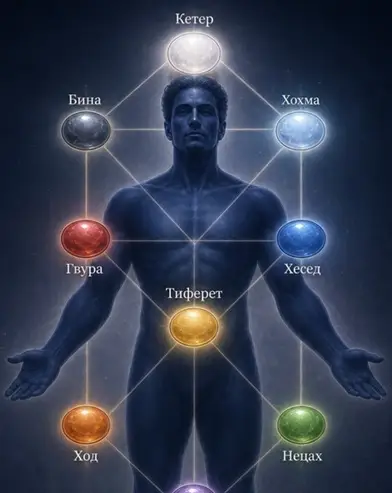
Самая известная модель Каббалы — древо сфирот — очевидно, изначально была призвана иллюстрировать определенный порядок и иерархию между различными атрибутами Блага. При этом оно превратилось в лестницу, показывающую нисхождение или восхождение по степеням Блага. Развиваясь на протяжении столетий, Каббала разработала подробные и сложные модели, состоящие из различных миров, ликов (парцуфов) и сфирот, как этапов и промежуточных состояний в этом бесконечном стремлении желания к свету.
Философия Блага
Все упомянутые в этой статье школы исторически выстраиваются в единую традицию. Хотя философия Платона развивалась в Греции, герметические трактаты пришли из Александрии (Египет), а Каббала писалась еврейскими мудрецами (жившими в разных странах), их объединяет общая система идей и схожее понимание мировых процессов. Эта традиция помогает устранить преграду между человеком и Богом, с одной стороны, раскрывая Бога как бесконечное и безусловное Благо, а с другой — подчеркивая Волю человека как главную часть универсального стремления всего сущего к этому Благу.
Загрузка комментариев…
Войдите, чтобы оставлять комментарии.